The Sanitizer Bottle: A Symbol of Modern Infection Control
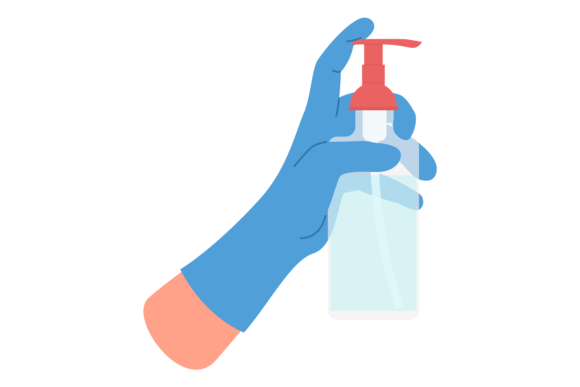
In a hospital corridor, a clinic waiting room, or a laboratory bench, the image of a sanitizer bottle in a medical hand is instantly recognizable. It represents a fundamental, daily act of safety and care. This visual—often captured as a disinfection infographic isolated on a white background—is more than just a stock photo. It's a powerful icon of contemporary health protocols, distilled into a simple, actionable graphic. Understanding its components, from the bottle design to the hand's technique, reveals a world of practical hygiene considerations that affect everyone, from professionals to the general public.
Decoding the Symbol: What It Represents
The core elements are deliberate. The sanitizer bottle is typically depicted as a practical, often pump-action, container designed for frequent use. The medical hand indicates a trained, purposeful application, emphasizing correct technique over casual use. The term disinfection specifies the goal: reducing pathogens on surfaces or hands to a safe level. Finally, being an infographic isolated on white means this image is crafted for clarity, ready to be used in educational materials, guidelines, or presentations. It's a visual shorthand for a critical process.
Why This Matters: Different Perspectives on a Single Image
While the symbol is universal, its relevance and application vary dramatically depending on who is viewing it and their context. The priorities shift from clinical efficacy to public education, from cost management to creative communication.
The Professional in Healthcare: Reliability and Protocol
For nurses, doctors, or lab technicians, the sanitizer bottle in hand is a routine part of their day. Their evaluation focuses on the substance inside and the ergonomics of the bottle itself. Is the alcohol-based gel effective against the prevalent organisms in their facility? Is the pump reliable and prevents drips? Does the bottle's placement encourage compliance among staff and visitors? Their priority is long-term usefulness and reliability in a high-stakes environment. A poorly designed bottle that sticks or dispenses inconsistently can become a genuine hurdle in fast-paced settings.
The Educator and Creator: Clarity and Communication
Teachers, content creators, and public health communicators look at this infographic as a tool. Their concern is its presentation and learning value. They might use the EPS or JPG file to create posters for a school, instructional videos for a community center, or illustrations for a health blog. They need a clean, high-resolution image that conveys the message without distracting backgrounds. For them, the simplicity of the "isolated on white" format is key. It allows for easy integration into their own materials, helping to demystify proper hand hygiene for students, employees, or the general public.
The Business Owner and Manager: Cost, Compliance, and Culture
For restaurant owners, small office managers, or salon operators, this image symbolizes a operational requirement and a customer expectation. Their perspective blends commercial value with practical cost considerations. They must choose sanitizer solutions that are both effective and economical for bulk placement. They also consider the bottle's design as part of the client experience—a sleek, well-maintained dispenser at an entrance signals care, while an empty or broken one undermines trust. Their use of such infographics might be internal, for staff training protocols to ensure consistent, compliant practices across the business.
The Everyday Consumer: Ease of Use and Personal Safety
For most individuals, the sanitizer bottle is a personal item carried in a bag or placed on a home desk. Their interaction is defined by ease of use and quality. They might prefer a bottle with a secure flip-cap to prevent leaks in a purse, or a formula that moisturizes to prevent skin cracking from frequent use. When they see the medical hand infographic, it serves as a reminder of proper technique—covering all surfaces, rubbing until dry—which many people still overlook. For consumers, the infographic can bridge the gap between professional knowledge and personal habit.
Aligning the Symbol with Your Needs
How do you determine if focusing on the details of a sanitizer bottle in a medical hand—or utilizing such an infographic—matches your goals? Start by identifying your primary role and desired outcome.
- If your goal is clinical efficacy: Look beyond the symbol to the specifications. Research the disinfectant's kill claims, contact time, and compatibility with your workplace surfaces. The bottle is just the delivery system for a scientifically validated product.
- If your goal is effective education: Seek out high-quality, royalty-free infographic versions (EPS for scalability, JPG for easy use). Ensure the graphic clearly shows key steps like dispensing and rubbing palms and fingers.
- If your goal is operational management: Evaluate bottles for durability, dispenser cost-per-use, and placement logistics. A good infographic can standardize training, but the physical implementation matters most.
- If your goal is personal or family health: Prioritize skin-friendly formulations and portable, leak-proof designs. Use the technique shown in professional infographics as a benchmark for your own practice.
The common thread is intention. The sanitizer bottle in the medical hand is not passive; it implies action. Whether you are performing that action, teaching it, or facilitating it, the depth of your engagement with this simple concept will differ.
A Practical Tool for Varied Applications
Consider these examples. A freelance graphic designer might download the isolated JPG to create a safety poster for a local gym. A blogger writing about healthy travel habits might embed the image to illustrate proper use at airports. A school administrator might use the EPS file to print large, clear visuals for every classroom sink area. Meanwhile, a hobbyist in woodworking, who uses harsh chemicals, might adopt the same disciplined application technique for their own workshop hand cleaner to prevent skin irritation.
Each application leverages the same core visual but adapts its meaning to a new context. This flexibility is what makes such infographics powerful. They provide a universal reference point that can be specialized through accompanying text, placement, and audience.
Beyond the Bottle: The Underlying Principle
Ultimately, the focus on the sanitizer bottle in a medical hand for disinfection serves a greater principle: consistent, correct practice. The infographic isolates this principle, removing clutter and ambiguity. For the professional, it reinforces protocol. For the educator, it provides a teachable moment. For the business, it supports a culture of safety. For the consumer, it offers a model for personal responsibility.
By understanding why different people care about this symbol, you can better apply its lessons to your own environment. Whether you are evaluating products, creating materials, or simply refining your daily habits, the details matter. The right bottle, the correct technique, and the clear communication of that technique all contribute to the single goal the image represents: effective infection control.