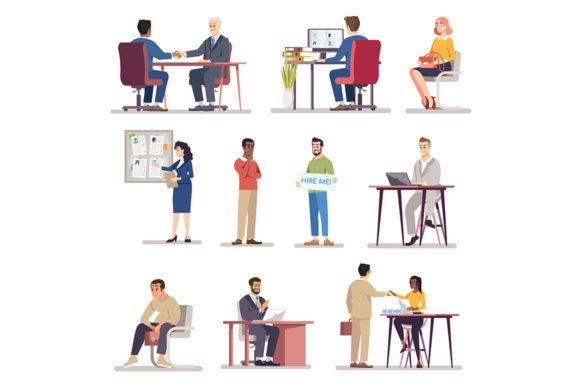
Crafting Human-Centered HR Narratives with Character Illustrations
In today’s digital-first professional landscape, the human elements of Human Resources—connection, personality, and story—often risk being overshadowed by processes and data. Visual assets like the HR Agency Workers and Employee Character set, along with specific illustrations such as the HR Manager Conducting Job Interview and New Job Opportunities scenes, offer a powerful antidote. These aren't just generic clip art; they are thoughtfully designed character illustrations that represent the diverse, dynamic individuals who make up the modern workplace. Their value lies in their ability to inject authenticity, clarity, and emotional resonance into HR communications, transforming dry procedural content into engaging, human-centered narratives.
Beyond Generic Graphics: The Utility of Character-Driven Design
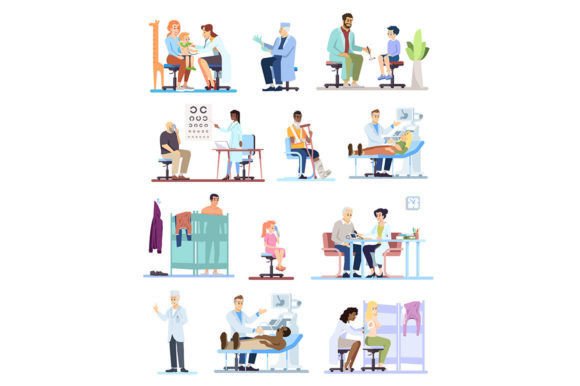
What makes these illustrations particularly interesting and useful is their specificity and cohesion. A set like HR Agency Workers and Employee Character provides a consistent visual cast. You have characters that can represent recruiters, candidates, new hires, managers, and diverse employees across various scenarios. This consistency is a foundational design principle. When you build a brochure, a training module, or a company blog using a unified set of characters, you create a recognizable visual world. It enhances brand cohesion and aids audience comprehension far more effectively than a disjointed collection of unrelated stock images.
The availability in multiple file formats—including JPEG, PNG for quick use, and vector formats like AI, EPS, and SVG—is a critical feature for adaptability. Vector formats are invaluable for creators and designers because they allow for infinite scaling without quality loss and easy customization. You can adjust colors to match your brand palette, isolate specific elements, or combine illustrations to create entirely new scenes. This flexibility turns a pre-made asset into a starting point for your own unique creative projects.
Exploring Creative Applications and Project Ideas
The creative possibilities are vast, extending far beyond traditional HR pamphlets. Let’s explore some concrete applications across different formats and goals.
- Interactive Onboarding & Training Materials: Use the character illustrations to create a visual storyboard for an onboarding journey. The New Job Opportunities Illustration can welcome a candidate, while the interview scene can depict the process. Sequence these with other characters to explain company structure, team introductions, and cultural values in an engaging, easy-to-follow guide, perfect for digital PDFs or internal wikis.
- Dynamic Infographics for Recruitment: Infographics are superb for condensing complex information. With ready-for-use infographic spreads as a foundation from providers like bsd studio, you can integrate these HR characters to personify data. Instead of a bar chart showing “high employee satisfaction,” show a group of the employee characters smiling beside the metric. This makes statistics relatable and memorable for potential candidates viewing your career site or social media posts.
- Blog & Content Marketing Visuals: For HR bloggers, educators, or small business owners sharing insights on hiring, management, or workplace culture, these illustrations provide fresh, non-photographic visuals. An article about “conducting effective interviews” can be anchored by the HR Manager Conducting Job Interview Illustration, making the content immediately recognizable and more appealing than a text-heavy post.
- Customized Presentations & Internal Communications: Freelancers and entrepreneurs can use these assets in client presentations to visually propose HR strategies. Internally, they can be used in slides to announce new job openings, explain new policies, or celebrate diversity—all with a consistent, professional visual tone that avoids the cliché of overly formal photography.
Adapting for Different Audiences and Contexts
The key to effective use is adaptation. A marketer aiming to attract top talent for a tech startup might customize the characters with brighter, more vibrant colors and use them in animated SVG format on a cutting-edge career page. An educator creating a course on business management might use them in a more subdued palette within a textbook-style PDF, focusing on clear, explanatory sequences. A hobbyist running a community blog about career tips might use the PNG files to quickly create relatable header images.
Consider the platform. For social media (Instagram, LinkedIn), single, impactful illustrations like the “New Opportunities” scene work well as posts announcing vacancies. For longer-form content like eBooks or annual reports, a series of characters used throughout creates a narrative flow. Always ensure the visual style aligns with the tone you wish to convey: professional yet approachable, innovative yet trustworthy, diverse yet unified.
Maintaining Clarity and Originality in Your Projects
While these illustrations provide a fantastic starting point, maintaining originality requires thoughtful integration. Avoid simply placing an illustration next to text. Instead, think about composition. Crop characters to focus on specific actions, combine multiple elements from the set to build a custom scene, or use them as part of a larger layout that includes your own typography and data visualizations.
Keep results audience-friendly by ensuring the illustrations support and clarify your message, not distract from it. For instance, in an infographic about a multi-stage hiring process, use a consistent character to represent the candidate progressing through each stage, visually guided by icons and text. This creates a clear, easy-to-follow path for the reader. Consistency in character use across a campaign or document is crucial for building this understanding.
Practical Inspiration for Your Creative Process
Start by defining the story you want to tell. Is it the journey of a successful hire? The day-to-day collaboration of a team? The inclusive culture of your organization? Map this story out roughly, then see which characters and scenes from the HR Agency Workers and Employee Character set can act as visual anchors for each key point.
Use the vector file formats (AI, EPS, SVG) to your advantage. If your brand uses specific accent colors, recolor a character’s attire to include them. If you need to depict a remote interview, you might modify the interview scene by adding a laptop screen element from another resource. This is where the promise of “creative elements for your own designs” truly shines. Pair these illustrations with other high-quality resources, like vector brochure templates and infographic spreads, to produce polished, professional results without starting from a blank page.
Ultimately, tools like these illustrations empower creators to communicate the human side of business with warmth and precision. They bridge the gap between abstract HR concepts and the real people they involve. By applying them with a clear strategy and a touch of customization, you can produce communications that not only inform but also connect and inspire—whether your audience is a pool of potential candidates, your current employees, or your professional peers.