The Current State of Home Prices: Growth, Factors, and What It Means for You
The conversation in neighborhoods, news headlines, and financial discussions consistently revolves around one clear theme: home prices are rising. This isn't just a fleeting trend; it represents a significant period of real estate growth that impacts homeowners, prospective buyers, renters, and the broader economy. Understanding this movement requires looking beyond the simple headline. It involves examining the drivers behind increasing property values, the role of financial instruments like mortgages, and how this growth fits into the larger picture of economic cycles, from periods of prosperity to times of crisis.
Understanding the Core Dynamics of Real Estate Growth
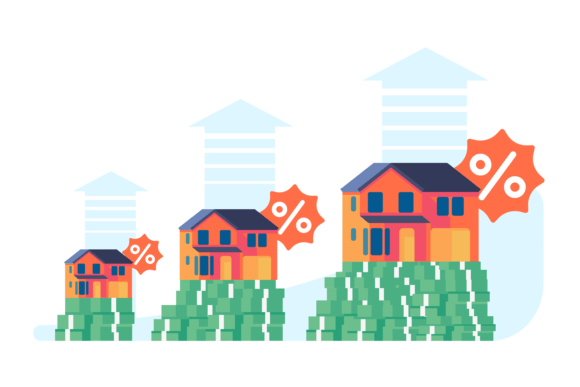
Real estate growth, at its essence, is the increase in the market value of properties over time. This is often visualized in a profit graph or financial diagram showing a steady or sometimes sharp upward trajectory. But what fuels this climb? Growth is not automatic; it's the result of a complex interplay of supply, demand, economic health, and demographic shifts.
The Fundamental Drivers: Supply and Demand
The most basic economic principle is at play here. When the number of people wanting to buy homes (demand) exceeds the number of homes available for sale (supply), prices naturally rise. Recent years have seen a persistent supply shortage in many markets. Construction of new homes has often lagged behind population growth and household formation, creating a scarcity that pushes prices upward. Simultaneously, demand has remained robust, driven by factors like millennials entering the market, low unemployment, and in some periods, the desire for more space during remote work trends.
The Financial Engine: Interest Rates and Mortgage Accessibility
The cost and availability of money to buy a home are critical. This is where the banking mortgage rate progress chart becomes a central tool for understanding market dynamics. Lower mortgage rates make borrowing cheaper, increasing a buyer's purchasing power and effectively allowing them to bid more on a property. This influx of affordable capital can rapidly accelerate price growth. Conversely, when rates rise, as seen in more recent cycles, purchasing power diminishes, which can cool demand and slow price growth, though high rates don't always immediately reverse deep-seated supply shortages.
The Significance of Rising Property Values in Modern Life
The impact of appreciating home prices permeates nearly every aspect of modern life, from personal wealth to community stability.
- For Homeowners: Rising prices build equity, turning a home into a significant financial asset. This equity can be a source of security, a tool for funding education or retirement, or a foundation for future investments. It represents a major component of net worth for many families.
- For Prospective Buyers and Renters: The landscape becomes challenging. Higher prices and mortgage rates create barriers to entry, leading to affordability crises. This can delay life milestones, increase rental demand (and thus rental prices), and widen the wealth gap between existing owners and those trying to enter the market.
- For the Local Economy: Healthy real estate growth often signals a vibrant local economy. It increases municipal revenues through property taxes, supports construction jobs, and boosts consumer spending from homeowners feeling financially secure.
A Common Misunderstanding: Growth Versus Bubble
A crucial clarification is the difference between sustainable growth and a dangerous bubble. Not all price increases are speculative bubbles destined to crash. Sustainable growth is typically supported by fundamental factors like population growth, income increases, and limited supply. A bubble, like the one preceding the 2008 economy crisis, is characterized by prices detaching from fundamentals, driven by irrational speculation, overly lax lending, and the belief that prices can only go up. Today's markets are often scrutinized for bubble indicators, but many analysts point to the strong underlying demand and supply constraints as evidence of more grounded, though intense, growth.
The Broader Economic Context: Graphs, Cycles, and Crises
Real estate does not exist in isolation. It is deeply intertwined with the national and global economy. The property value infographic or financial diagram for housing is often compared to charts tracking GDP, employment, and inflation.
- Real Estate as an Economic Indicator: A strong housing market often reflects strong consumer confidence and employment. Conversely, a sharp downturn in housing can foreshadow or contribute to a broader economic slowdown.
- The Cycle of Crisis and Recovery: History shows real estate moves in cycles. The economy crisis of 2008 was rooted in housing, leading to a dramatic crash in prices. The subsequent recovery, fueled by low rates, economic stimulus, and pent-up demand, eventually led to the vigorous growth phase we've witnessed. Understanding this cyclical nature is key to long-term planning.
- Connection to Other Assets: The wealth represented by those money banknotes heaps in conceptual imagery isn't just in cash; it's stored in assets like homes. Real estate growth can influence investment portfolios, retirement planning, and even the stability of financial institutions through mortgage-backed securities.
Practical Relevance: Navigating a Market of Rising Prices
For individuals, this knowledge must translate into practical action. Whether you're a buyer, seller, owner, or observer, here’s how to apply this understanding.
For Potential Buyers
In a rising market, preparation is paramount. Get financially pre-approved, understand your true budget factoring in current rates, and be ready to move quickly. Consider exploring different neighborhoods or housing types (e.g., condos vs. single-family homes) where competition might be less fierce. Remember, buying a home is a long-term decision; ensure the payment fits your sustainable budget, not just your maximum pre-approval.
For Current Homeowners
Rising equity is an opportunity for financial review. Should you consider a refinance if rates drop? Is your home insurance coverage adequate for its new value? Could this equity help you achieve other financial goals? Avoid the assumption that this growth is automatic forever; use the gains wisely rather than as a guarantee for excessive risk.
For Investors and Observers
Watch the key metrics: inventory levels, median days on market, and mortgage rate trends. These are more informative than sensational headline prices. Recognize that real estate is local; national trends don't always apply to your specific city or street.
Building a Broader Understanding: Beyond the Transaction
Finally, seeing the full picture means recognizing how housing fits into societal goals. It touches on technology (from virtual tours to AI-powered valuation tools), urban planning and sustainability, and social equity. The challenge of rising prices highlights the need for innovative solutions in housing policy, construction technology to boost supply, and financial products to improve accessibility.
The narrative of home prices are rising and real estate growth is more than a financial report. It is a story about wealth creation, access to opportunity, economic health, and the fundamental human need for shelter and community. By understanding the drivers—the supply shortages, the mortgage rate charts, the economic cycles—we can move beyond anxiety or speculation. We can make informed decisions, advocate for balanced policies, and navigate this dynamic landscape with clarity, whether we're holding a set of house keys, a mortgage application, or simply an interest in the forces that shape our daily lives.